


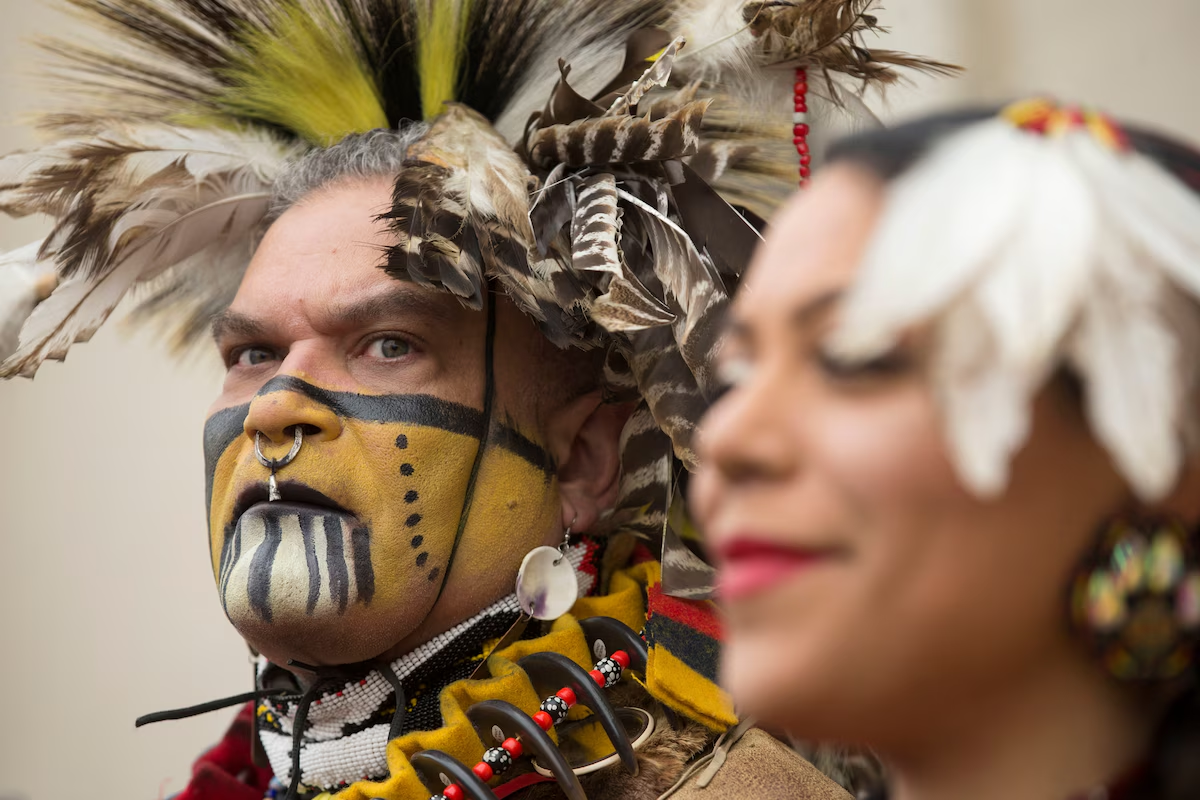
Uncovering the Indigenous, Black, and immigrant voices systematically erased from America’s holiday narratives.
|
Every holiday tells a story. But in America, the most powerful stories are often the ones we don’t tell. The voices we silence. The experiences we erase. When we examine our national holidays closely, a disturbing pattern emerges: the systematic exclusion of Indigenous peoples, enslaved and free Black Americans, and immigrants whose labor built this nation. |
💡 Key QuestionWhy do we celebrate the arrival of colonizers but not the survival of Indigenous peoples? Why honor independence while ignoring those still enslaved? |
📖 The Myth We’re Taught
|
⚠️ The Hidden Reality
|
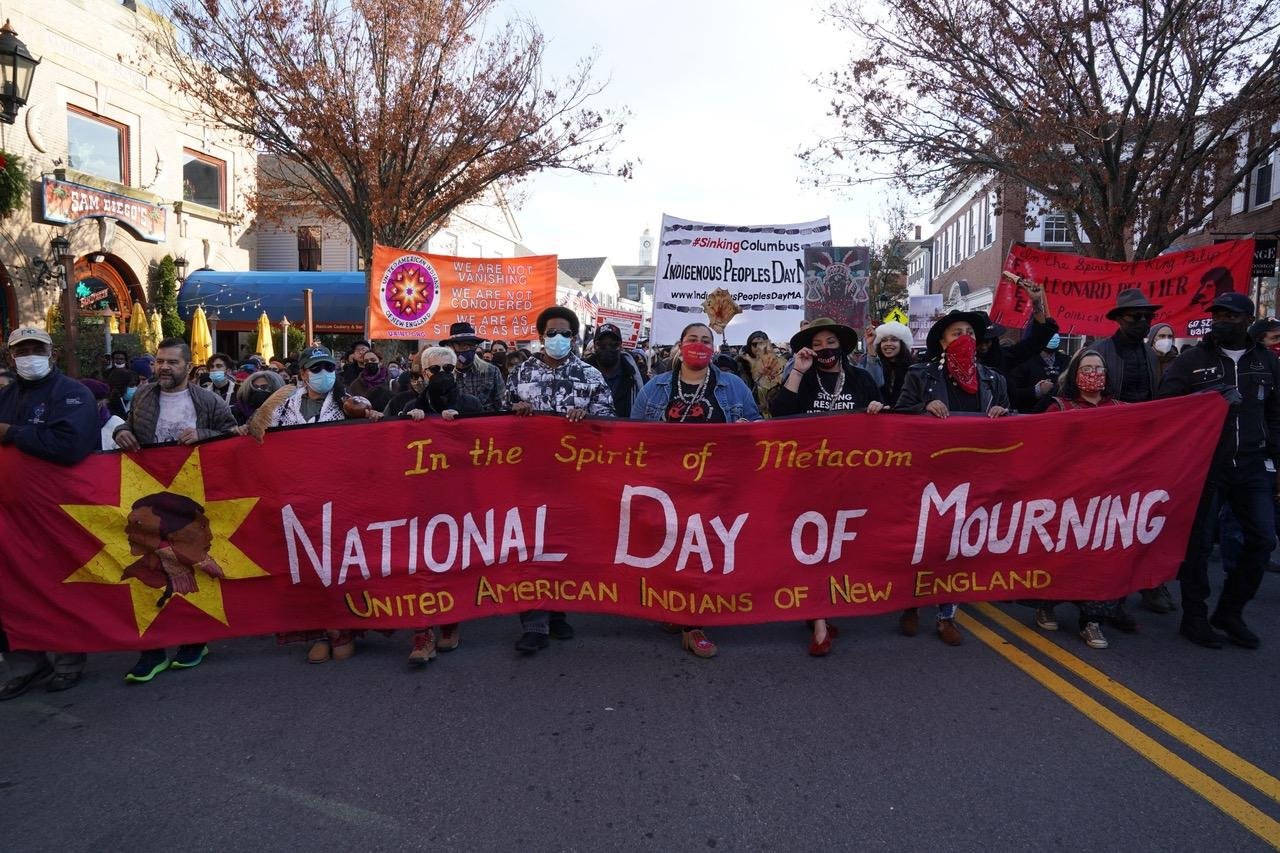
Since 1970, Indigenous activists have observed Thanksgiving as a National Day of Mourning, gathering at Plymouth Rock to honor ancestors and protest the mythologized version of history.
“Thanksgiving is a day of mourning for us. We cannot give thanks for 500 years of genocide, land theft, and cultural destruction. We remember our ancestors who died defending their homelands.”
— Moonanum James, Aquinnah Wampanoag
Columbus Day became a federal holiday in 1968, celebrating the “discovery” of America. But this narrative erases the millions of Indigenous peoples who had lived here for thousands of years.
Berkeley, CA becomes first city to replace Columbus Day with Indigenous Peoples’ Day
Seattle and Minneapolis join the movement, beginning a rapid spread
Over 200 cities and 15 states now observe Indigenous Peoples’ Day instead
Columbus Day Celebrates:
|
Indigenous Peoples’ Day Honors:
|
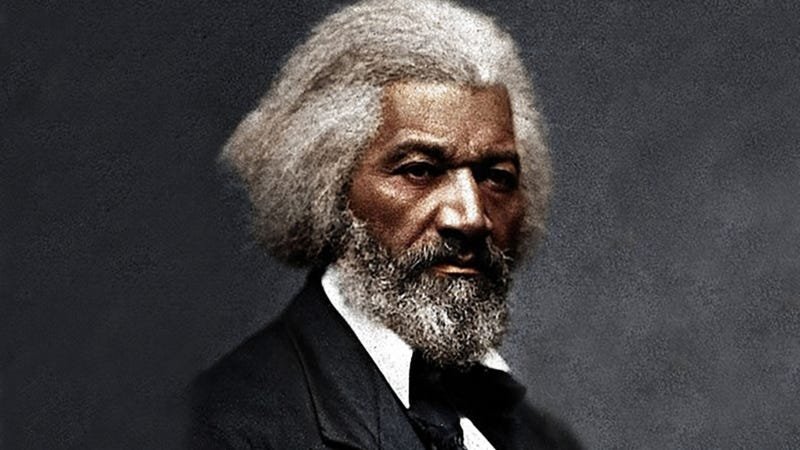
“What, to the American slave, is your 4th of July? I answer: a day that reveals to him, more than all other days in the year, the gross injustice and cruelty of which he is the constant victim.”
Frederick Douglass, July 5, 1852
Former slave, abolitionist, and orator
July 4, 1776: The Declaration“We hold these truths to be self-evident, that all men are created equal, that they are endowed by their Creator with certain unalienable Rights…” |
The Reality in 1776
|
The Question: How do we celebrate “independence” when the Founding Fathers simultaneously declared freedom while owning other human beings? How do we honor “liberty” when it excluded the majority of people living in America?
Labor Day exists because workers — many of them immigrants — died fighting for basic human rights. Yet their sacrifice is sanitized into a generic “celebration of work.”
Haymarket Affair: Police kill striking workers demanding 8-hour workdays in Chicago
Pullman Strike: Federal troops kill 30+ striking railroad workers
President Cleveland creates Labor Day to appease workers after violent crackdowns
📋 What Gets Remembered
|
🚫 What Gets Erased
|
Why do our holidays consistently celebrate the oppressor’s perspective while silencing the oppressed? What does this pattern reveal about who holds power in America — and who gets to write history?
🏛️ Juneteenth (1865)African Americans created their own independence day — celebrating true freedom on June 19th, when news of emancipation finally reached Texas. |
🌾 Cesar Chavez DayHonoring farmworkers’ rights and Latino contributions — a counter to Labor Day’s sanitized version of worker struggles. |
🏛️ Malcolm X DayObserved in several cities to honor Black liberation struggles and challenge sanitized civil rights narratives that focus only on peaceful protest. |
🗿 Indigenous Peoples’ DayReplacing Columbus Day with celebration of Indigenous survival, sovereignty, and ongoing resistance to colonization. |
Choose one U.S. holiday and research the voices that have been systematically excluded from its official narrative.
📚 Recommended Sources:
|
🎨 Share Your Findings:📊 Infographic
🎥 Documentary
📝 Blog Post
🎭 Performance
|
Historical ErasureThe deliberate removal or omission of certain groups, events, or perspectives from historical records and public memory. Counter-NarrativeAlternative stories that challenge dominant historical accounts and center previously marginalized voices and experiences. Cultural GenocideThe systematic destruction of a group’s cultural identity through forced assimilation, language suppression, and erasure of traditions. |
MarginalizationThe process by which certain groups are pushed to the edges of society and excluded from mainstream political, economic, and cultural power. Settler ColonialismA form of colonization where settlers come to stay permanently, seeking to replace Indigenous peoples and claim their land as their own. IntersectionalityThe interconnected nature of social identities (race, gender, class, etc.) and how they create overlapping systems of discrimination. |
Feel free to discuss these questions with your family, or friends in your community.
Instructions: Answer the discussion question in the discussion panel section of this lesson. Then read and thoughtfully respond to at least one of your classmates’ posts.
Should schools teach the “sanitized” version of holiday history to young children, or should we tell the full truth from the beginning? What are the benefits and risks of each approach?
 Google