


We begin this lesson by honoring the land and the original stewards of the continent of North America. We acknowledge that the land many of us learn from, live on, and build community through—physically and virtually—has long been home to diverse Indigenous Nations.
These lands were never “discovered.” They were cared for, cultivated, and cherished by societies with rich traditions, advanced knowledge systems, and enduring legacies. We honor the ancestral and unceded territories of Native peoples across the Americas, and we recognize the deep injustices they have faced and continue to resist.
At Àbulę, we are committed to truth-telling, inclusion, and historical awareness. As we study Indigenous civilizations before 1492, we invite you to approach this learning with respect, curiosity, and a willingness to unlearn.
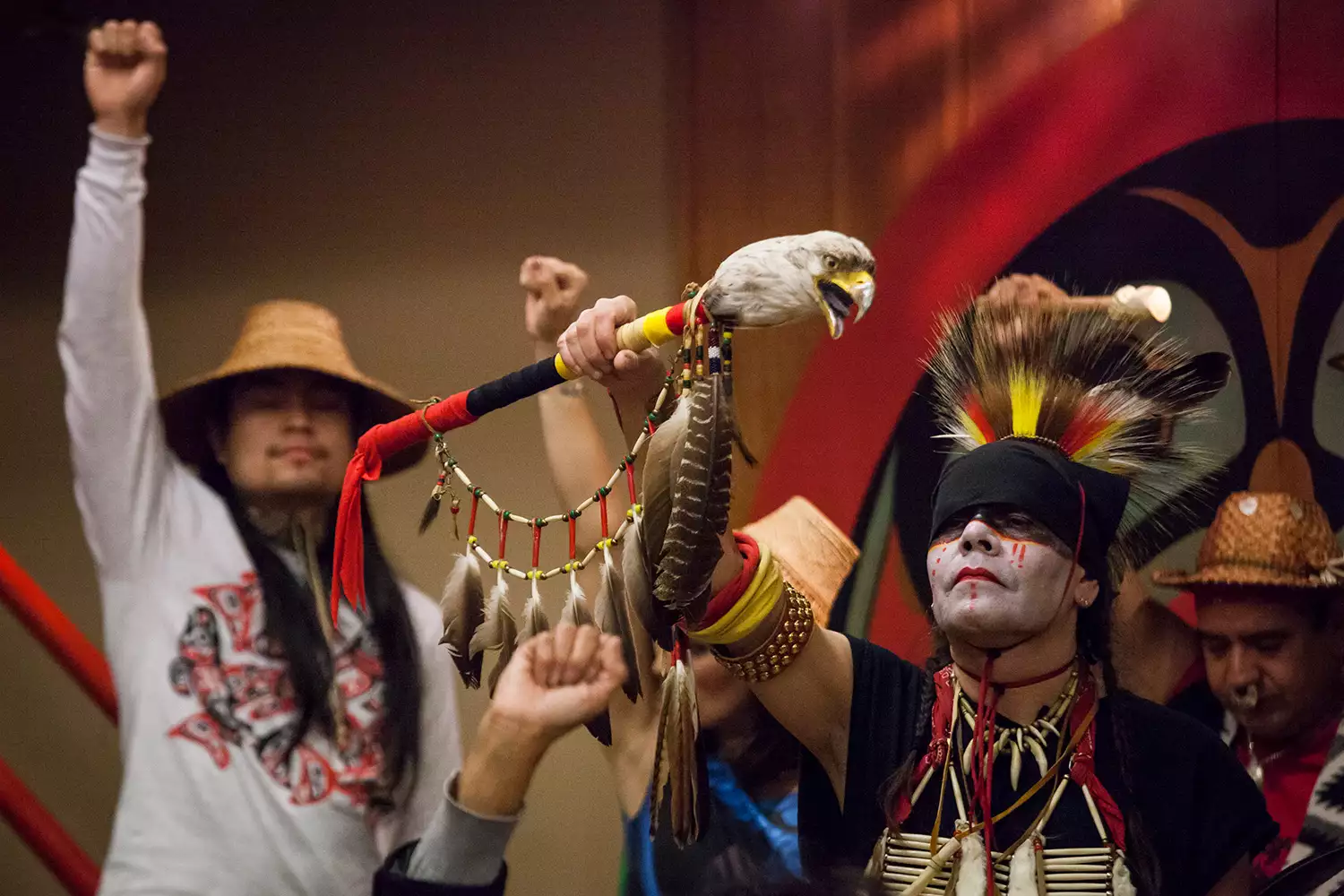
North America Was Never Empty — It Was Flourishing
Long before 1492, the Americas were home to millions of Indigenous peoples, organized into hundreds of distinct societies, each with its own culture, governance, and innovations. These societies were not isolated or primitive; instead, they were highly sophisticated, creating complex urban centers, intricate social systems, and innovations in agriculture, art, and science. They cultivated strong connections with one another through vast trade networks that spanned the continents, and they had spiritual traditions deeply rooted in the natural world.
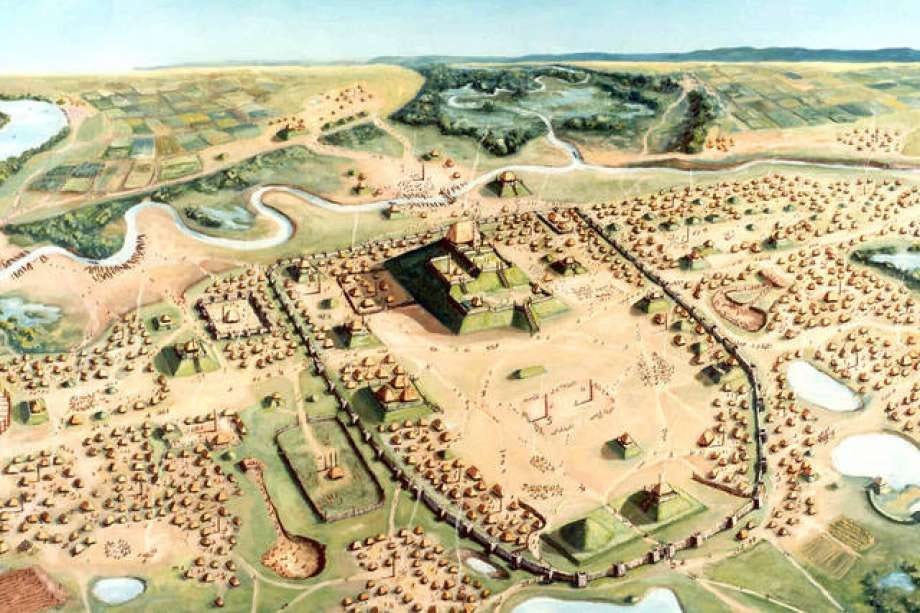
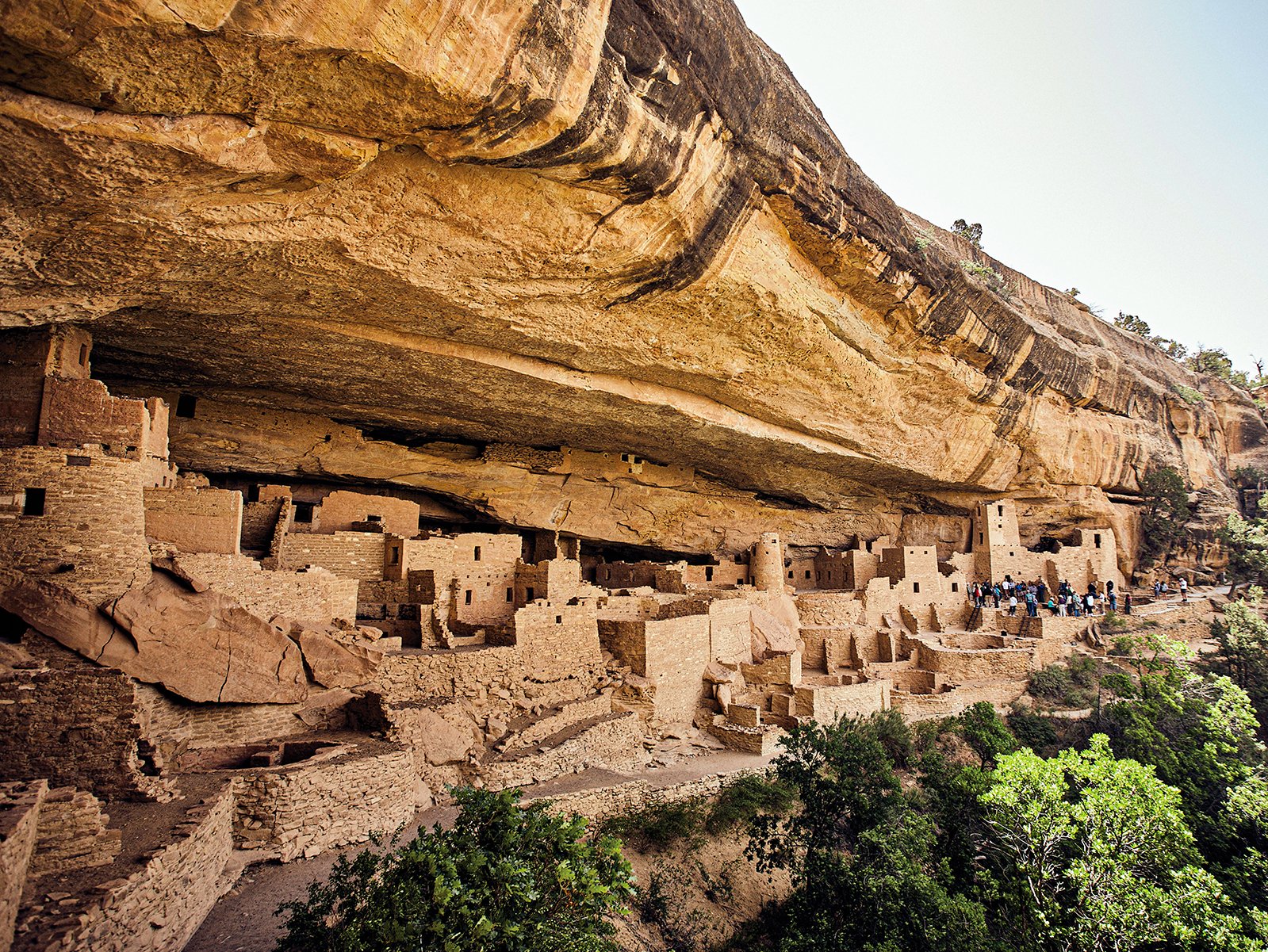
The Maya, for instance, developed one of the most advanced calendar systems, which was based on careful astronomical observations. In the arid deserts of the American Southwest, the Ancestral Puebloans mastered advanced water conservation techniques, while the Mississippian culture, centered around Cahokia, built massive earthen mounds and organized extensive trade routes. Each of these societies adapted creatively to their environments, proving that complexity and innovation were alive and thriving long before European colonization.
The Olmec (1200–400 BCE) were among the earliest complex civilizations in Mesoamerica. Known for their colossal head sculptures, the Olmec developed the first writing system in the region, and their innovations in astronomy influenced later Mesoamerican cultures. They built impressive ceremonial centers and had a rich tradition of art, often focused on the human form and the divine.
The Maya (c. 250–900 CE) are famous for their elaborate stone cities, such as Tikal and Palenque. These cities were centers of learning, culture, and trade. The Maya invented an advanced writing system—using hieroglyphs—and made significant contributions to mathematics and astronomy. Their calendar system was incredibly accurate, allowing them to predict solar and lunar eclipses with precision.
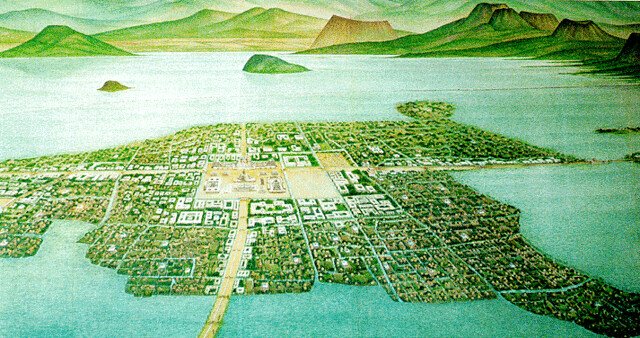
The Aztec (c. 1300–1521 CE) established a powerful empire centered in Tenochtitlán (modern-day Mexico City), a city built on Lake Texcoco. With its intricate canals, floating gardens, and grand temples, Tenochtitlán was an architectural and engineering marvel. The Aztecs had a complex social hierarchy, with a king at the top, followed by priests, warriors, and commoners. They also had a rich spiritual life, with a pantheon of gods connected to nature and human fertility.
The “Three Sisters” method of planting corn, beans, and squash together ensured soil health and abundant harvests. This agricultural innovation supported large populations and was central to many cultures’ food security.
Spirituality was woven into daily life. Many Indigenous peoples believed in a sacred connection to the land and marked seasonal changes with ceremonies and rituals. Leadership roles often reflected this balance, and women played important parts in political and spiritual decisions, especially in matrilineal cultures like the Iroquois.
Indigenous peoples of the Americas created advanced, thriving civilizations before European contact. Recognizing these societies challenges outdated narratives and honors their innovation, leadership, and enduring legacy.
Choose one discussion question from the list and respond thoughtfully. Be sure to explain your ideas clearly and use examples from the lesson or your own thinking.
After posting your response, read at least one classmate’s post and reply to them. Your reply should be respectful and add to the conversation — you can agree, offer a new perspective, or ask a thoughtful question.
 Google